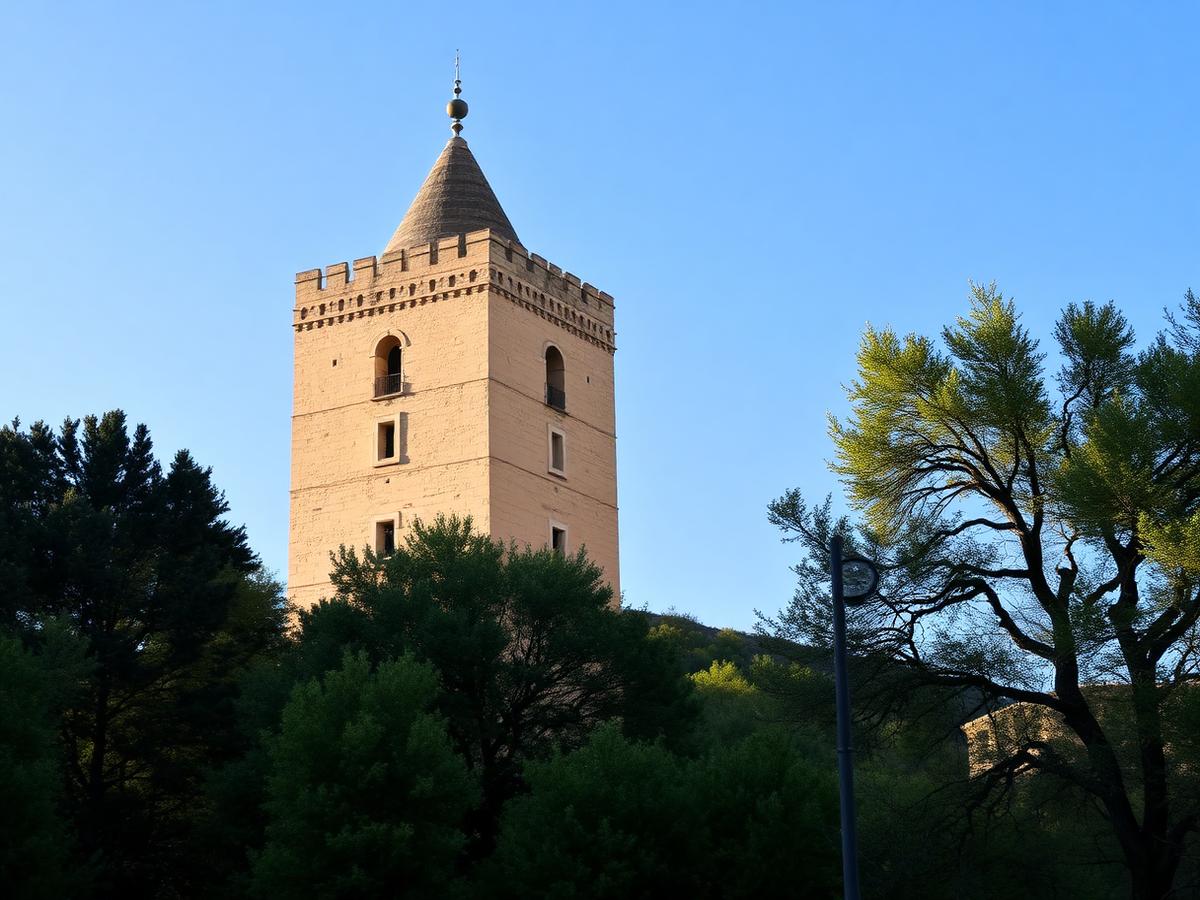
History
History
A concise, respectful introduction to the Andalusi and Nasrid heritage of the Alhambra.
The Nasrid dynasty
The Nasrids ruled the Emirate of Granada from 1238 to 1492, the last Muslim polity in the Iberian Peninsula. In roughly 250 years, on a shrinking territory, they built one of the most refined court cultures of the medieval Mediterranean.
Islamic art & architecture
Nasrid art works through pattern, calligraphy and light. Ornament is not decoration for its own sake — it is a language of order, humility (the endless repetition of divine names) and delight.
Water, gardens & paradise
In Islamic tradition, paradise is described as gardens beneath which rivers flow. In the Alhambra, every courtyard is a small paradise: geometry, water, greenery and shade meet as a lived theology.
Calligraphy, geometry & decoration
Read the walls: cursive praise of God, kufic mottos, verses of poetry. Geometry is not abstract — every star pattern is an argument about the harmony of creation.
The Alhambra after 1492
After the Christian conquest the site was preserved as a royal seat, altered, forgotten, romanticized, and finally restored. Every era left traces you can still read on the walls.
Why the Alhambra matters today
The Alhambra is a rare piece of evidence that beauty, science and tolerance can be layered — and can survive their own political collapse. That is a message worth walking through.